
Women make up just 17% of the Australian cybersecurity industry. When I first heard this stat, I was stunned. How can it be that low?! But it quickly got me thinking – what can we do to change that?
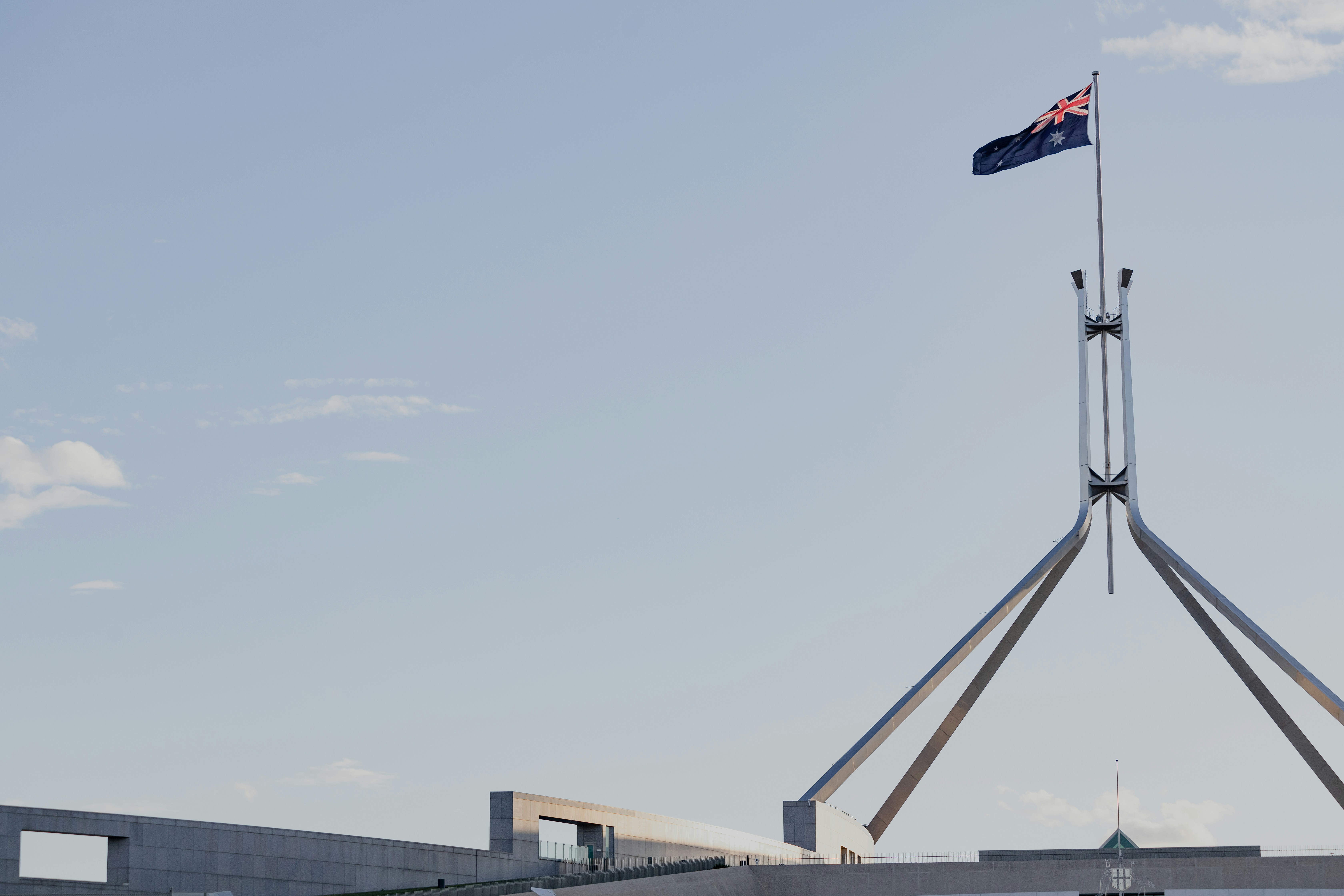
On the 12th of March, I had the pleasure of being invited to Parliament House to attend the annual Women in Cyber Security Summit, hosted by the Australian Information Security Association (AISA). This event brought together a range of incredible women and passionate male champions to reflect on how women shape the cybersecurity industry. Throughout the day, we heard a range of theories about why we’re still at just 17% and what actions we can take to fix it.
…[we] need to reframe diversity as a benefit rather than a benchmark
The core theme that ran throughout the day’s discussions was the need to reframe diversity as a benefit rather than a benchmark. In the past, diversity quotas have been brought into effect with little explanation as to why they are needed. This has historically caused people to lose sight of all the good that can come from a diverse team of individuals.
As stated by Scarlett McDermott (Founder, Longitude Advisory), “the worst case scenario is homogeneous thinkers”. The whole concept underpinning teamwork is that the whole should be greater than the sum of its parts, so obviously it would be silly to have a team of people who all have exactly the same skills, experiences and perspectives. “How do we avoid this?” you may ask. Well, the answer’s relatively simple – hire women. By bringing more women into the industry, we welcome a broader range of perspectives, helping us to avoid falling into the trap of single-mindedness and ensure that we are achieving the greatest possible outcome.
It should be noted, of course, that this diversity should not be limited just to gender. Dr Renée Burton (Vice President of Threat Intel, Infoblox) spoke on the importance of broadening our views on diversity. In particular, she felt passionately about championing groups where diversity is not inherently visible, such as the queer and disabled communities, ensuring that they do not go unaddressed.
…even in 2026, hiring women is still considered a risk
While the value behind gender equality in the industry may seem obvious to some, a shift in perspective is still very much needed. Kersti Eesmaa (Chief Operating Officer, Vertical Scope Group) spoke on how even in 2026, hiring women is still considered a risk, with concerns over maternity leave, divorce and menopause creating unconscious biases in many people’s minds.
What’s more, it is clear that many people still follow the mentality that somewhere along the line, a choice must be made between diversity and merit. It was amazing to me that even at an event specifically targeting gender equality, there were numerous questions from the audience about how to make that choice. While I’m sure these people meant well, and I applaud their curiosity, it really does go to show just how ingrained these perceptions are. The reality is that diversity and performance are not mutually exclusive. In fact, one generally entails the other. By encouraging diversity in our workforce, we create stronger, more supportive cultures, broaden our skillsets and allow businesses to cater to a wider market.
So, how do we fix this issue? Well, in order to make the most change, we really need to tackle the issue at the root of the problem. Setting and forgetting a diversity quota is not the answer, because really, this just reinforces the idea of diversity as simply a box to tick. Instead, we need to ensure that our hiring practices are set up to allow women to succeed. This means addressing biases in our management, tailoring job advertising to a wider audience and encouraging flexibility when appropriate.

Being able to attend the event was an incredible experience
Many of the panellists at the event expressed that they had often noticed women self-select out of opportunities before they even got a chance to apply. This was due to several reasons, from concerns about scheduling (for instance, how could they balance work and school pick up?) to just a general gap in confidence. This was something that really resonated with me, having in the past probably not made the most of all my opportunities, as I felt underqualified and scared to put myself out there. It was interesting to see just how many of the incredibly successful women sitting up on the stage had also struggled with this, and how many of them had to really be pushed by others to step up into their careers. Hearing this made me realise that I was not alone in my experiences and really inspired me to be brave in my choices.
One important thing still to consider is whether there actually are enough women in cybersecurity to increase these numbers. Now I know what you’re thinking: “that’s just some lame excuse, touted by an exec when faced with meagre female employment numbers” – but it does raise some interesting questions. Dr Burton shared her experience on this, reflecting on her time just after completing her PhD, when there was a push from the US Department of Defence to hire highly qualified women in mathematics, but there just weren’t that many. It is likely that this is part of the problem in cybersecurity as well.
…cybersecurity has a PR problem
The fact of the matter is, cybersecurity has a PR problem. The whole industry is shrouded in stereotypes of awkward, geeky men in hoodies, hunched over computers, trying to “hack into the mainframe” when in reality that’s not how it is at all. Cybersecurity professionals can come in all shapes and forms, and positions can range from purely technical to much more communication and people-focused. We need to reframe this perception in order to foster a passion for cybersecurity in more women. Girls Talk Cyber, a podcast aimed at increasing cybersecurity awareness and interest in women, is a good example of how to do this.
One particularly interesting observation that I made while at the event was on the involvement of men in the discussions. AISA welcomed several men to speak at the event, and it was fascinating to see the group’s reaction to their panel discussion. It was as if all of a sudden, the other men in the room felt comfortable enough to stand up and start asking questions. Now, it’s easy to look at this and scoff, that “of course the men would only want to hear from other men!”, but really, I think this highlights just how important male voices are in these instances. If we want widespread change, we need to make sure that men are comfortable standing up and getting involved to help advocate for women, and that has to start somewhere.
This summit was such a fantastic experience, and truly eye-opening, both on an industry and personal level. I had the opportunity to speak with and gain advice from some truly amazing people from all throughout the industry. A big thanks to AISA for allowing me to attend this year’s event. I can’t wait to see what’s to come as we step into this exciting new chapter for women in cybersecurity
Leave a Reply